how to make your own rosewater at home
Making rosewater at home is more than a simple DIY project — it's an invitation to slow down, create something beautiful with your own hands, and turn an ordinary afternoon into a quiet ritual of care.
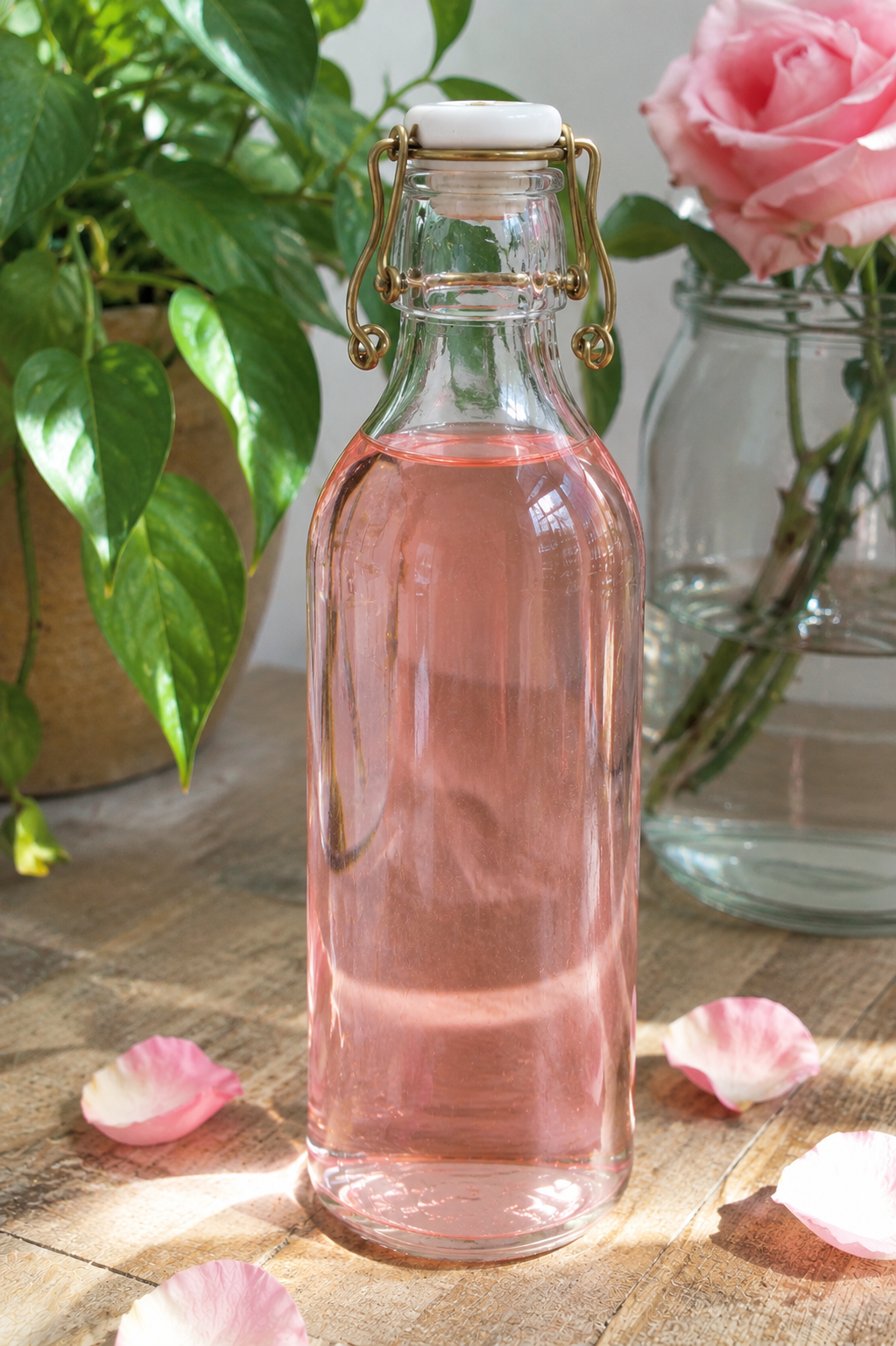
Few things feel as timeless as the fragrance of fresh roses drifting through an open window.
Long before rosewater found its place in luxury skincare collections and elegant perfume bottles, it was lovingly crafted in home kitchens and gardens around the world. For centuries, people have turned to roses not only for their beauty, but for their ability to transform ordinary moments into quiet rituals of care.
Making your own rosewater at home is more than a simple DIY project. It's an invitation to slow down, notice the seasons, and create something beautiful with your own hands. Whether you mist it onto freshly cleansed skin, add it to a warm bath, or use it in homemade desserts, rosewater offers a gentle reminder that caring for yourself doesn't have to be complicated.
Today, I'll show you two simple methods for making rosewater, along with tips for storing it safely and creative ways to use every fragrant drop.
what is rosewater?
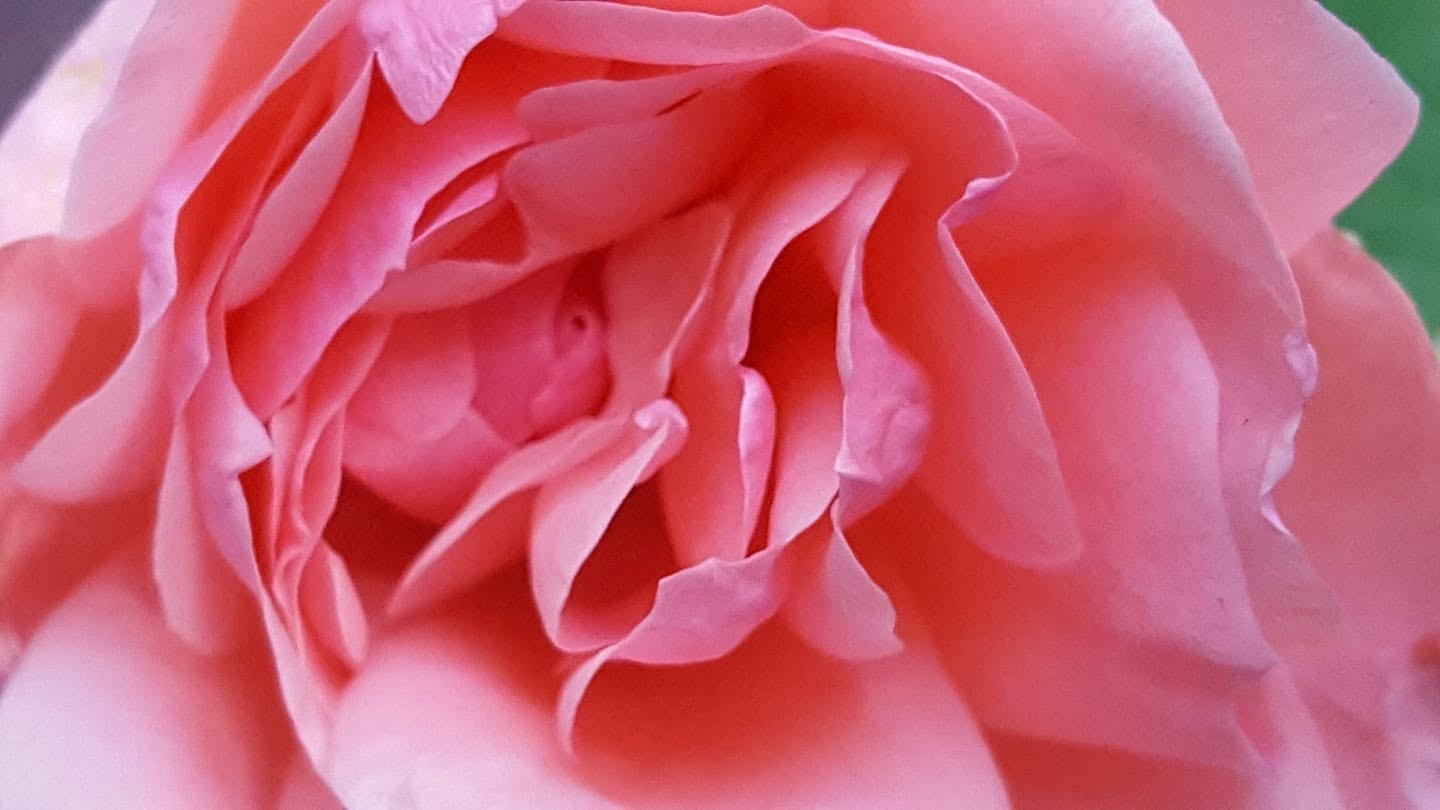
Rosewater is created by gently infusing or distilling rose petals with water, capturing the delicate aroma and naturally occurring plant compounds found within the petals.
For generations, rosewater has been used throughout the Middle East, South Asia, and Europe in both skincare and culinary traditions. Today, it remains one of the simplest botanical ingredients to make at home.
When prepared from pesticide-free, fragrant roses, homemade rosewater contains no artificial fragrances, dyes, or unnecessary preservatives — just petals and water.
While many people love rosewater for its refreshing scent, it's equally appreciated for the quiet ritual it creates. A cool mist across your face on a warm afternoon or a few drops stirred into tea can become a gentle pause in an otherwise busy day.
heart body spirit reflection
Sometimes healing doesn't arrive through dramatic transformations.
Sometimes it begins by slowing down long enough to notice the fragrance of a flower, the warmth of sunlight through a kitchen window, or the satisfaction of creating something nourishing with your own hands.
Small rituals often become the anchors that help us reconnect with ourselves.
why people love rosewater
Homemade rosewater has remained popular for generations because it's remarkably versatile.
Many people enjoy using it as a refreshing facial mist that leaves the skin feeling hydrated throughout the day. Others appreciate its naturally soothing qualities after time spent outdoors or simply enjoy the calming floral aroma as part of an evening skincare routine.
Rosewater is also widely used in homemade beauty products, linen sprays, bath rituals, and desserts where a delicate floral note adds something truly special.
While research into botanical skincare continues to evolve, many people choose rosewater because it offers a simple, minimally processed alternative to heavily fragranced products.
choosing the right roses
The quality of your rosewater begins with the roses themselves.
Whenever possible, choose:
- Organic garden roses
- Unsprayed heirloom roses
- Highly fragrant varieties
- Fresh petals gathered early in the morning
Avoid florist roses whenever possible, as they're often treated with preservatives or pesticides that aren't intended for skincare or culinary use.
The more fragrant the rose, the more beautifully scented your finished rosewater will be.
method one: traditional distilled rosewater
If you're looking for the purest homemade rosewater, the distillation method is well worth the extra time.
you'll need
- 1–2 cups fresh organic rose petals (or ½ cup dried petals)
- Distilled water
- Large pot with lid
- Small heat-safe bowl
- Small rack or heatproof stone
- Ice cubes
instructions
- Place the rack in the bottom of a large pot and set the heat-safe bowl on top.
- Arrange the rose petals around the bowl.
- Pour in just enough distilled water to cover the petals without allowing water into the bowl.
- Invert the lid so condensation drips toward the center.
- Fill the top of the lid with ice.
- Simmer gently over low heat for 30–60 minutes, replacing the ice as needed.
- Allow everything to cool before carefully removing the bowl containing your freshly distilled rosewater.
method two: simple simmered rosewater
If you're new to botanical DIY projects, this method is wonderfully approachable.
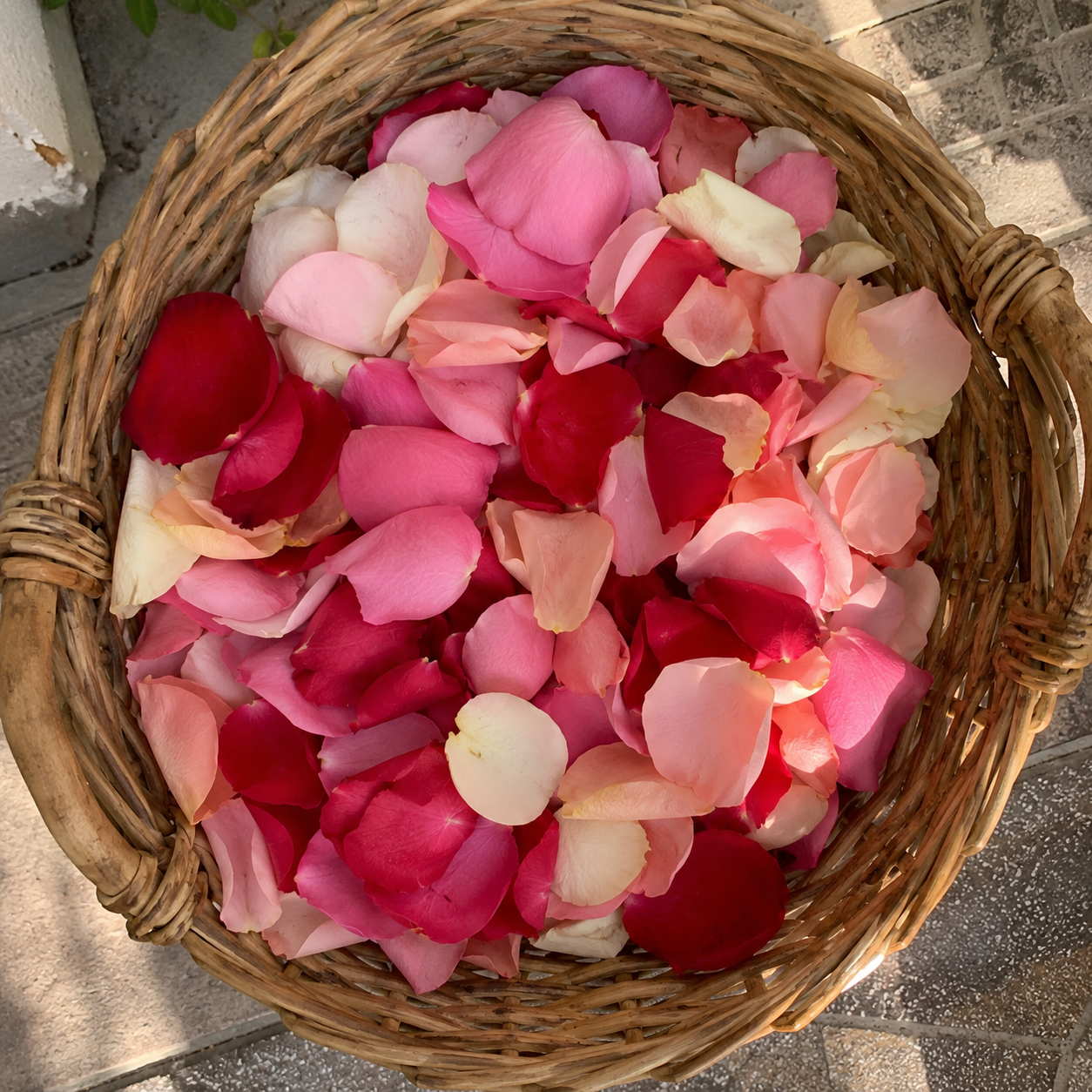
you'll need
- Fresh or dried rose petals
- Distilled water
- Saucepan with lid
- Fine mesh strainer
- Glass bottle or jar
instructions
- Cover the petals with distilled water.
- Simmer very gently over low heat.
- Continue until the petals lose most of their color and the water develops a soft rosy tint.
- Strain through a fine mesh sieve or cheesecloth.
- Cool completely before bottling.
heart body spirit tip
Gentle heat is your friend.
A rolling boil may diminish the delicate fragrance you're trying to preserve. Patience creates a more beautiful finished product.
how to store homemade rosewater
Because homemade rosewater contains no preservatives, proper storage matters.
Store it in a sterilized glass bottle in the refrigerator.
- Distilled rosewater: up to one month
- Simmered rosewater: about one week
If the scent changes or the liquid becomes cloudy, it's time to make a fresh batch.
beautiful ways to use rosewater
One of the joys of homemade rosewater is discovering how easily it fits into everyday life.
You might use it to:
- Refresh your skin after cleansing
- Mist your face throughout the day
- Lightly scent freshly washed linens
- Add a few spoonfuls to a warm bath
- Stir a small amount into lemonade or herbal tea
- Flavor shortbread, cakes, or whipped cream
- Incorporate it into homemade clay masks or facial steams
Sometimes the simplest rituals become the ones we return to most often.
frequently asked questions
Can I use grocery store roses?
It's best to avoid them unless you're certain they haven't been treated with pesticides or preservatives.
Do I have to refrigerate homemade rosewater?
Yes. Because it doesn't contain preservatives, refrigeration helps maintain freshness and safety.
Can I freeze rosewater?
Absolutely. Freeze it in ice cube trays and thaw individual portions as needed.
Which method is better?
The distilled method creates a purer, longer-lasting rosewater, while the simmering method is perfect for beginners who want a quicker project.
a simple ritual worth returning to
There is something quietly satisfying about creating useful, beautiful things from nature.
Homemade rosewater won't change your life overnight, but it may change how a few ordinary moments feel.
The next time your garden offers an abundance of blooms — or you bring home a bouquet of fragrant roses — consider setting aside a handful of petals.
Slow down.
Breathe deeply.
And allow the process itself to become part of the ritual.
Explore Topics
share this post
Written by
Shannon
Sharing through writing about trauma healing, nervous system regulation, yoga, reiki, holistic nutrition, and PCOS — through a trauma-informed lens.