how to make your own herbal tinctures (and why some people charge them under the moon)
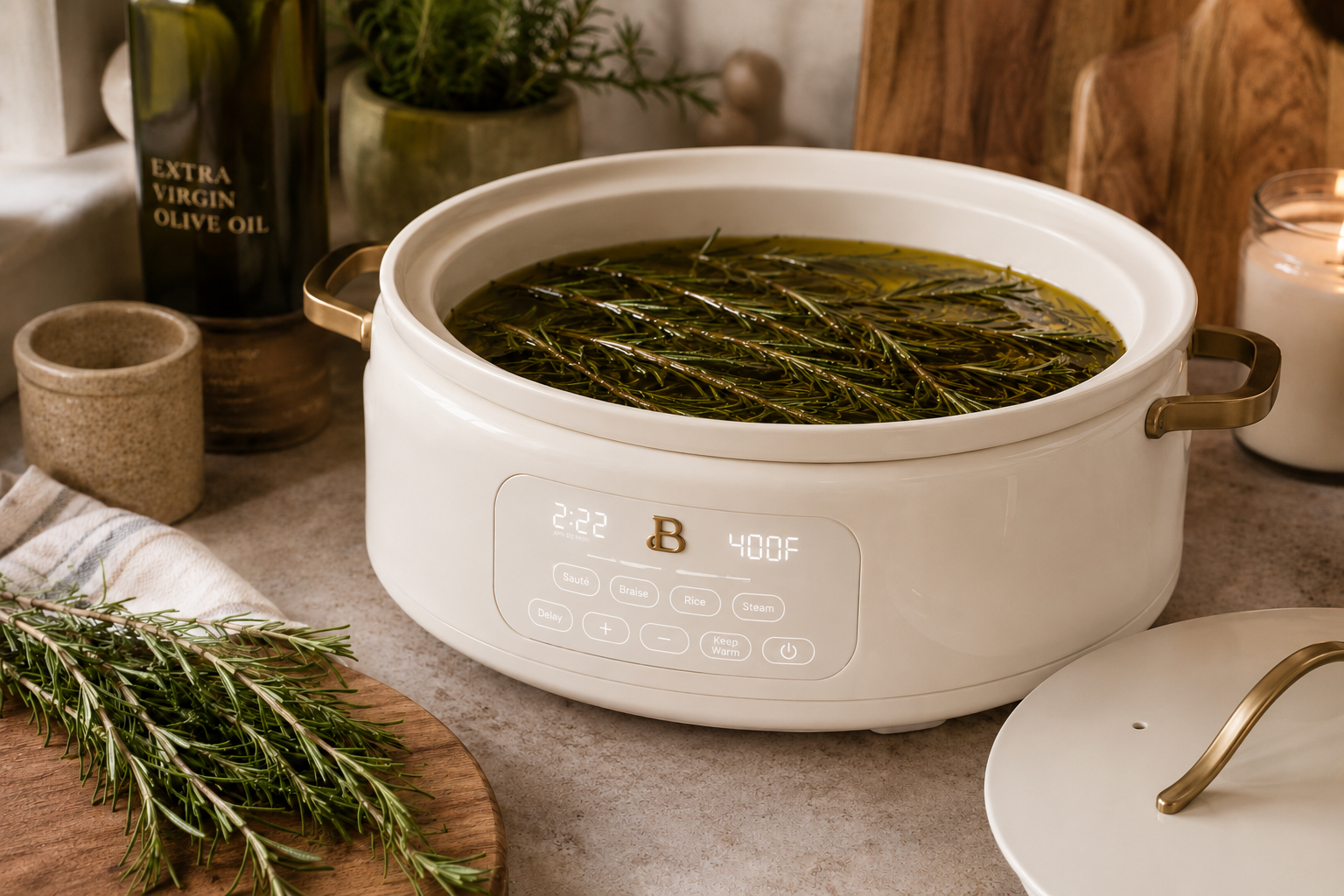
Simple herbal medicine meets a little bit of magic. Long before wellness became trendy, people were preserving medicinal plants in alcohol to create concentrated herbal extracts. Here is how to make your own.
There is something deeply satisfying about making herbal remedies with your own hands.
You choose the herbs.
You prepare them slowly.
You watch them transform over several weeks.
Long before wellness became trendy, people around the world were preserving medicinal plants in alcohol to create concentrated herbal extracts called tinctures. They're simple, shelf-stable, and require very little equipment.
And if you've spent any time in herbal or spiritual communities, you've probably heard another idea:
Some people like to place their tinctures under the full moon.
Does moonlight change the chemistry of a tincture?
No scientific evidence currently suggests that it does.
But for many people, the ritual itself carries meaning.
Let's explore both the practical and the mystical sides.
what is a tincture?
A tincture is a concentrated herbal extract made by soaking herbs in alcohol (or sometimes glycerin or vinegar).
Over several weeks, the liquid pulls many of the plant's compounds into solution, creating a potent extract that can be taken in small amounts.
Tinctures are popular because they:
- last for years when properly stored
- require only a few drops per serving
- preserve many herbs exceptionally well
- are easy to make at home
what you'll need
- Dried or fresh herbs
- Glass mason jar
- High-proof vodka (80–100 proof is common)
- Clean spoon
- Labels
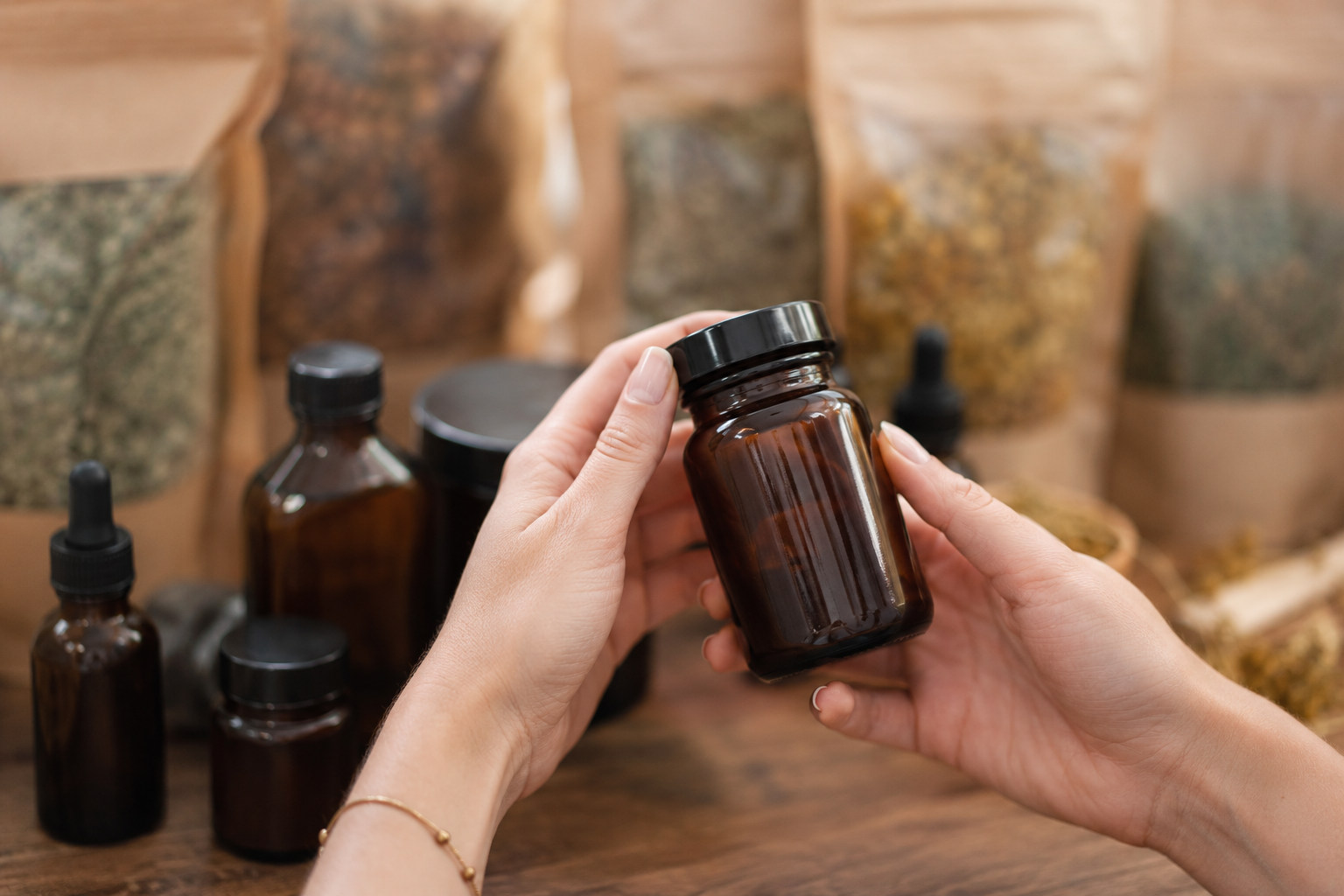
- Dark amber dropper bottles for storage
choosing herbs
If you're just getting started, consider herbs with a long history of traditional use.

Examples include:
- Chamomile — calming and digestive support
- Lemon balm — relaxation and occasional stress support
- Rose — aromatic, uplifting, and soothing
- Peppermint — digestive comfort
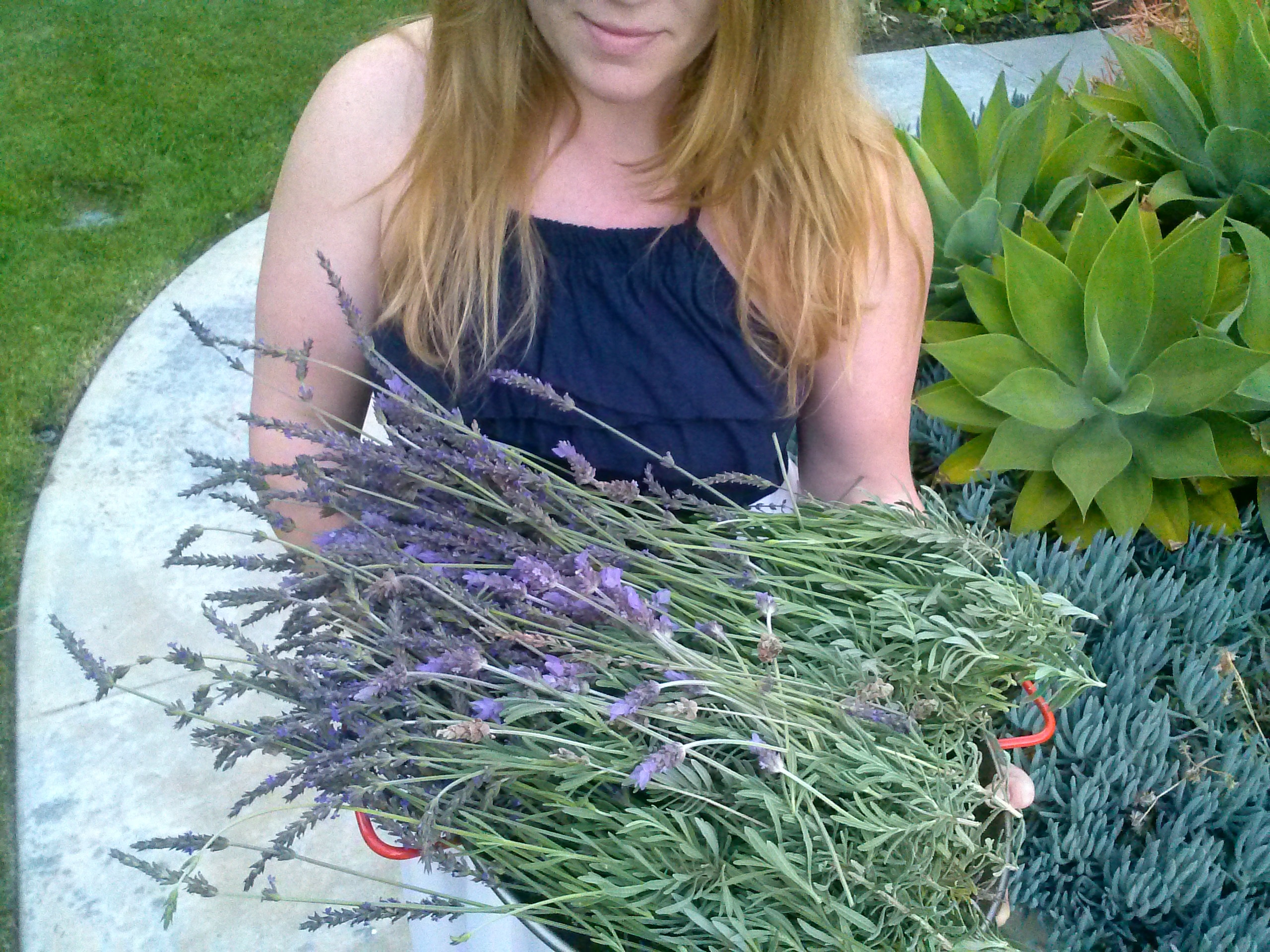
- Lavender — calming aroma
- Calendula — traditionally used for skin and wellness
- Nettle — nutrient-rich herb used in many traditional preparations

Always research each herb carefully. "Natural" doesn't automatically mean safe. Some herbs interact with medications, aren't appropriate during pregnancy, or may not be suitable for certain medical conditions.
how to make a simple tincture
Step 1
Fill a clean glass jar about halfway with dried herbs.
If using fresh herbs, fill the jar about two-thirds full because fresh plants contain more water.
Step 2
Pour vodka over the herbs until they are completely submerged by about one inch.
Remove air bubbles with a clean utensil if needed. Seal the jar.
Step 3
Label it. Include:
- herb name
- alcohol used
- date started
You'll thank yourself later.
Step 4
Store in a cool, dark cabinet. Shake gently every day or two.

Step 5
Wait four to six weeks.
Patience is part of the process.
Step 6
Strain through cheesecloth or a fine mesh strainer. Squeeze the herbs well.
Pour into amber dropper bottles. Store away from heat and sunlight.

alcohol-free options
Not everyone wants to use alcohol.
Some people make:
- glycerites (using food-grade vegetable glycerin)
- vinegar extracts
- herbal honeys
Each extracts different plant compounds, so they aren't always interchangeable.
can you charge a tincture under the moon?
Here's where science and spirituality gently part ways.
Many herbalists who also practice spiritual traditions enjoy placing their tinctures outside or on a windowsill during a full moon.
The intention isn't usually to alter the chemistry.
Instead, it's viewed as a symbolic practice.
People may believe it:
- sets an intention
- marks a new beginning
- deepens gratitude
- creates a mindful connection with nature
- encourages slowing down
Some traditions associate:
- New Moon — beginnings
- Waxing Moon — growth
- Full Moon — abundance, completion, illumination
- Waning Moon — release
Whether or not those meanings resonate with you is entirely personal.
the science vs. the ritual
Here's a simple way to think about it.
Science says: there isn't reliable evidence that moonlight changes the medicinal properties of herbs or tinctures.
Many spiritual practitioners say: the ritual changes them.
It helps them become more intentional, grateful, and connected to the natural world.
Those aren't mutually exclusive ideas.
A ritual can be personally meaningful without requiring a measurable biochemical effect.
creating your own ritual
If moon rituals feel nourishing, you might try:
- holding the jar while setting an intention
- expressing gratitude for the plants
- journaling during the full moon
- spending a few quiet moments outdoors
- reflecting on what you're cultivating in your own life while your herbs steep
The tincture becomes more than an herbal preparation.
It becomes a reminder to slow down.
safety first
Before using any herbal preparation:
- Positively identify every plant
- Never harvest from roadsides or areas treated with pesticides
- Research possible medication interactions
- Be especially cautious if you are pregnant, breastfeeding, or have chronic medical conditions
- If you're unsure, consult a qualified healthcare professional before taking herbal products
Whether you're drawn to herbalism because of science, tradition, spirituality, or simple curiosity, making a tincture invites you into a slower rhythm.
It asks you to gather.
To wait.
To observe.
To trust the process.
And maybe that's part of the medicine, too.
Whether your jar spends the night beneath a full moon or simply rests quietly in a kitchen cupboard, what matters most is the care you put into creating it.
Healing isn't always found in grand gestures. Sometimes it begins with a handful of herbs, a clean glass jar, and the willingness to believe that slowing down has value.
Explore Topics
share this post
Written by
Shannon
Sharing through writing about trauma healing, nervous system regulation, yoga, reiki, holistic nutrition, and PCOS — through a trauma-informed lens.