how to build a simple meditation practice (that you will actually stick with)
Meditation isn't about having an empty mind. It's about noticing when your mind wanders and gently bringing your attention back. That return is the practice.

Meditation has earned a reputation for being intimidating.
People imagine sitting perfectly still for an hour, silencing every thought, or somehow achieving instant inner peace.
The truth?
Meditation isn't about having an empty mind.
It's about noticing when your mind wanders... and gently bringing your attention back.
That return is the practice.
Whether you're 18 or 88, whether you've meditated for years or have never closed your eyes intentionally before, you can begin with just a few minutes today.
meditation is a skill — not a personality trait
No one is naturally "good" at meditation.
Every person who meditates gets distracted.
You'll think about dinner.
Your to-do list.
That awkward thing you said five years ago.
The laundry.
Your dog.
Your grocery list.
And then...
You'll notice.
You'll come back to your breath.
That's meditation.
Not perfection.
Just practice.
why start a meditation practice?
Research continues to show that regular meditation may help support:
- Reduced stress and anxiety
- Improved emotional regulation
- Better focus and attention
- Lower blood pressure
- Improved sleep quality
- Increased self-awareness
- Greater resilience during difficult seasons
You don't need to meditate for an hour to experience benefits.
Consistency matters far more than duration.
step 1: choose one small time
Forget 30-minute guided meditations.
Start with 2–5 minutes.
That's it.
Attach it to something you already do every day.
For example:
- After your morning coffee
- Before getting out of bed
- Before lunch
- After work
- Before sleep
Tiny habits are easier to repeat.
A meditation practice doesn't require expensive cushions or a perfectly quiet house.
It simply asks for your attention.
step 2: sit comfortably
You do not have to sit cross-legged.
You can:
- Sit in a chair
- Rest on the couch
- Sit outside
- Lie down if you're likely to stay awake
Let your shoulders soften.
Relax your jaw.
Rest your hands wherever feels natural.
Comfort creates sustainability.
step 3: breathe naturally
Don't force deep breathing.
Simply notice your breath.
Feel:
- Air entering your nose
- Your chest rising
- Your belly expanding
- Your exhale leaving your body
Nothing to change.
Just observe.
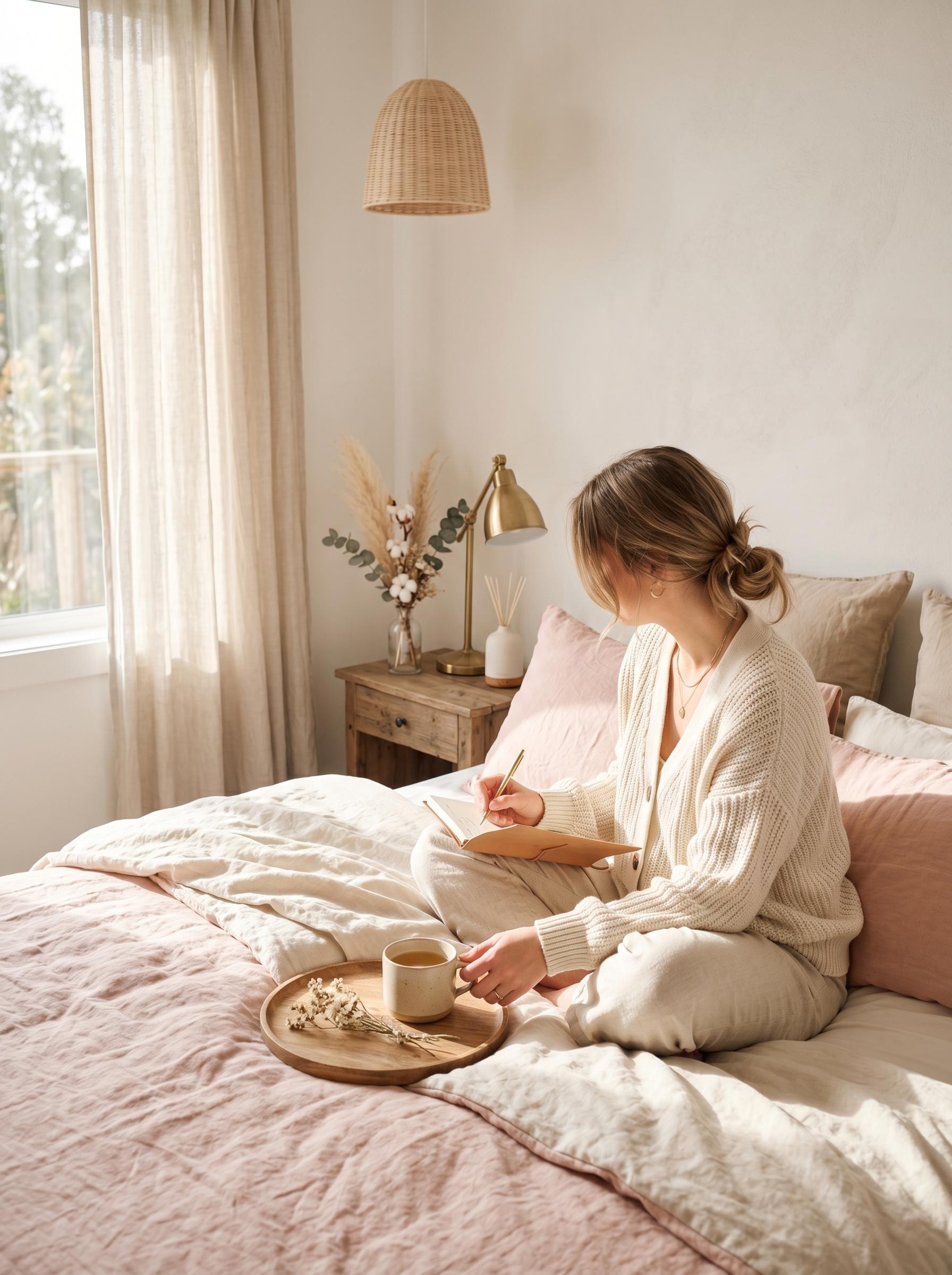
Close your eyes if it feels comfortable.
Take one slow inhale.
One slow exhale.
Sometimes a single mindful breath is enough to interrupt the momentum of stress.
Meditation begins with one breath — not one perfect session.
step 4: expect your mind to wander
Here's the part almost everyone misunderstands.
When your mind wanders...
you have not failed.
The moment you notice you've drifted off...
simply come back.
Again.
And again.
Every return strengthens your attention just like every repetition strengthens a muscle.

step 5: end before you're ready
This sounds backwards, but it works.
If you're enjoying yourself...
stop anyway.
Leave yourself wanting to come back tomorrow.
Building consistency is more important than building endurance.
bringing meditation into everyday life

Meditation doesn't only happen with closed eyes.
You can practice mindfulness while:
- Washing dishes
- Drinking tea
- Walking outside
- Folding laundry
- Watching the rain
- Petting your dog
- Standing barefoot in the grass
Mindfulness is simply paying full attention to the moment you're already living.
common myths about meditation
"I'm bad at meditation."
No.
You're noticing your thoughts.
That's exactly what meditation teaches.
"I don't have enough time."
If you have two minutes to scroll social media, you have two minutes to breathe.
"My brain never stops."
Neither does anyone else's.
Meditation isn't stopping thoughts.
It's changing your relationship with them.
"I need complete silence."
Birds.
Traffic.
Kids.
Dogs.
Your meditation doesn't have to wait for perfect conditions.
Life is noisy.
Practice can happen anyway.
a beginner's five-minute meditation
Try this tomorrow morning.
Minute 1 — Sit comfortably and notice your breathing.
Minute 2 — Follow each inhale and exhale.
Minute 3 — Notice any thoughts without judging them.
Minute 4 — Gently return to your breath whenever your mind wanders.
Minute 5 — Take one deep breath, thank yourself for showing up, and continue your day.
Simple.
Repeat tomorrow.
Meditation isn't about becoming someone different.
It's about becoming more present with the person you already are.
You don't need a perfect routine.
You don't need expensive equipment.
You don't need years of experience.
You simply need one quiet moment...
and the willingness to return to it again tomorrow.
Start where you are. One breath. One minute. One day at a time. Because the practice isn't found in perfect stillness — it's found in every gentle return to yourself.
Explore Topics
share this post
Written by
Shannon
Sharing through writing about trauma healing, nervous system regulation, yoga, reiki, holistic nutrition, and PCOS — through a trauma-informed lens.